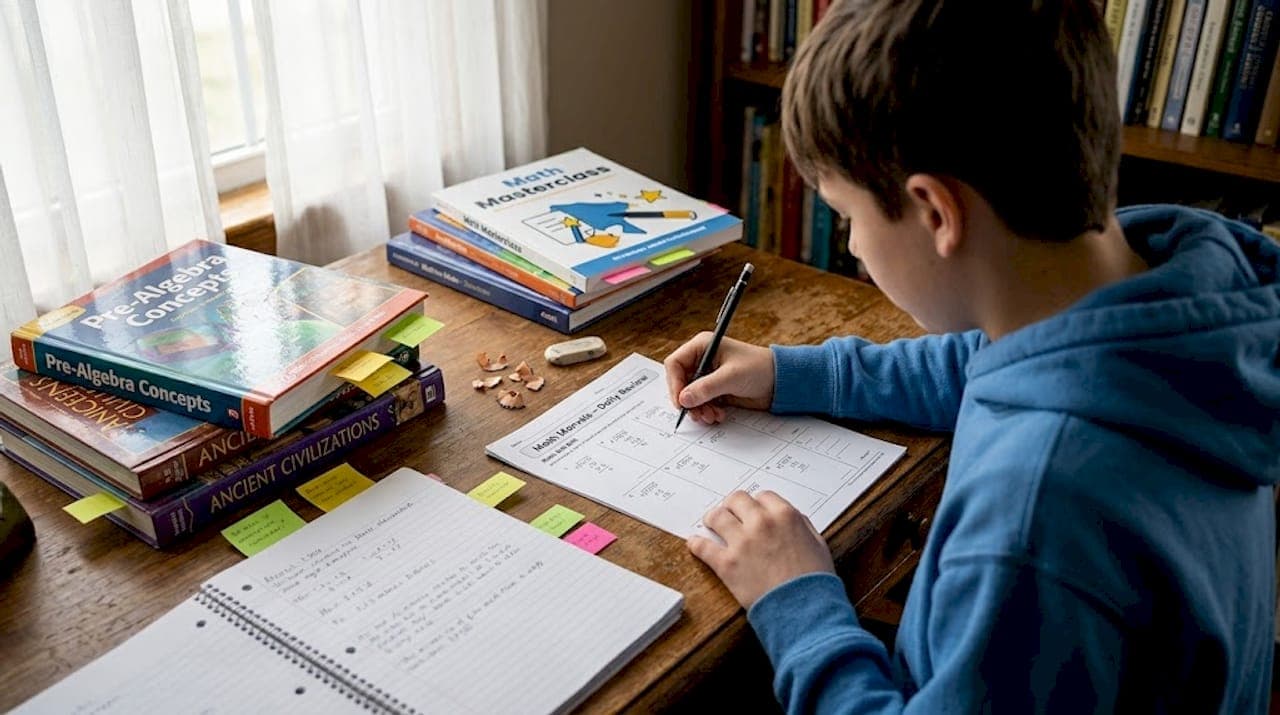
Skill drill worksheets get dismissed as repetitive busywork. That reputation is undeserved. A skill drill worksheet is a structured practice tool designed to target specific skills through focused, repeated exercise. Used correctly, it does not just build speed. It builds the kind of automatic fluency that frees up mental energy for deeper thinking. Educators and parents who understand how these worksheets work can use them to produce real, measurable gains in student performance across subjects.
Table of Contents
- Key takeaways
- What is a skill drill worksheet and why it matters
- Types of skill drill worksheets across subjects
- How to use skill drills effectively
- Measuring progress and adapting worksheets
- My take on skill drills and what most educators miss
- Build better skill drill worksheets with Worksheetwonderpro
- FAQ
Key takeaways
| Point | Details |
|---|---|
| Clear definition matters | A skill drill worksheet uses repetition to develop automatic, habitual mastery of a specific skill. |
| Variety across subjects | Skill drill worksheets exist for math, language, music, and motor skill practice. |
| Framing changes outcomes | Presenting drills as personal challenges reduces anxiety and increases student engagement. |
| Tracking drives improvement | Pairing worksheets with a skill tracker allows targeted adaptation for individual student needs. |
| Short sessions work best | Focused practice sessions of 20 to 30 minutes produce better retention than longer, fatigued practice. |
What is a skill drill worksheet and why it matters
The definition of skill drill is straightforward. A skill drill is a repetitive exercise targeting a specific, isolated skill. A skill drill worksheet puts that exercise into a written format students complete independently or with guidance. The goal is not just finishing the page. The goal is skill consolidation that makes abilities habitual, so students can apply them automatically in complex tasks.
Common skill areas addressed by these worksheets include:
- Math facts: Addition, subtraction, multiplication, and division problem sets
- Vocabulary and spelling: Word repetition, definition matching, and sentence completion
- Phonics and decoding: Letter sound patterns and blending exercises
- Handwriting and motor skills: Tracing, letter formation, and fine motor repetition
- Grammar rules: Verb conjugation, punctuation placement, and sentence structure
Research supports this approach. Skill drills improve focus and confidence under pressure by turning practiced skills into automatic responses. When a student no longer has to think hard about basic multiplication, that mental space opens up for multi-step problem solving.
Pro Tip: Use skill drill worksheets at the start of a lesson as a warm-up. Five minutes of focused drill primes the brain for the new material that follows.
Types of skill drill worksheets across subjects
Skill drill worksheet examples span far more than math. The format adapts to almost any discipline. Below is a comparison of common types and what each one targets.
| Worksheet type | Subject area | Primary purpose |
|---|---|---|
| Timed problem sets | Math | Build calculation speed and accuracy |
| Vocabulary repetition sheets | Language arts | Reinforce word recognition and meaning |
| Phonics decoding drills | Reading | Automate letter-sound correspondence |
| Scale and note drills | Music | Develop finger memory and sight-reading |
| Grammar fill-in exercises | Writing | Internalize sentence structure rules |
| Handwriting trace sheets | Motor skills | Build fine motor control and letter formation |
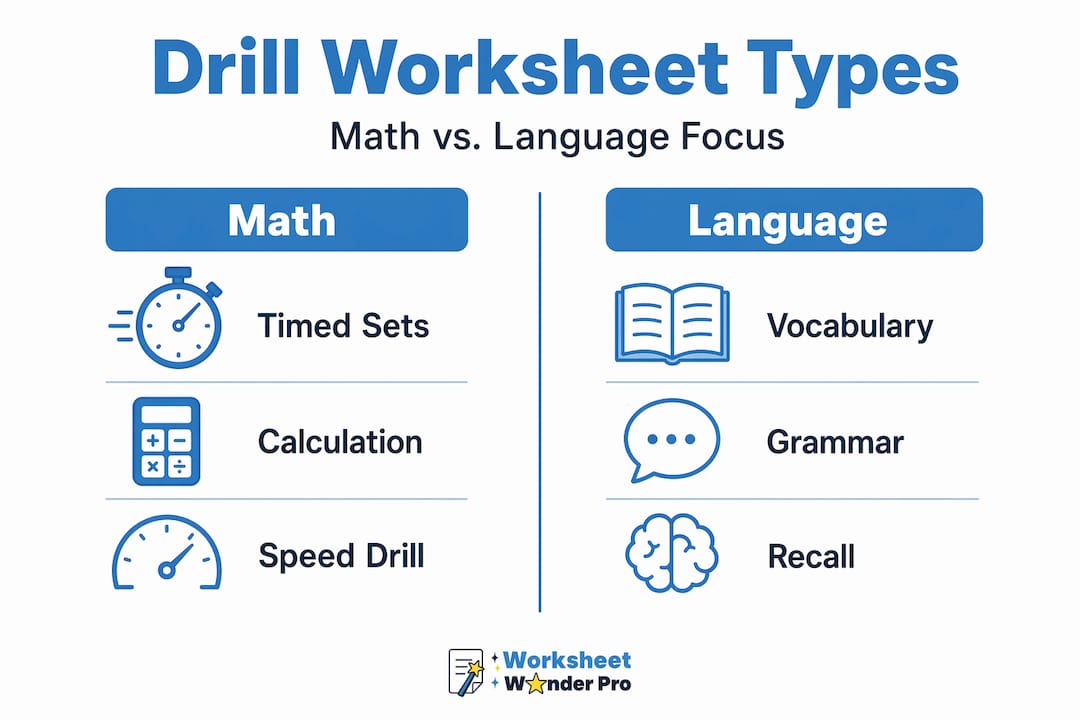
A types of classroom worksheets guide outlines how these formats differ in purpose and structure. Speed drills measure how fast a student can produce correct answers under a time limit. Repetition worksheets focus on accuracy without the clock. Flashcard-style worksheets prompt recall rather than production. Each type serves a different stage of learning. Speed drills belong after a skill is understood, not before.
For language learning specifically, strategic drill use helps learners build automatic recall of vocabulary and grammar patterns. The same principle that sharpens a musician's scales sharpens a student's ability to retrieve a vocabulary word mid-sentence without breaking their train of thought.
How to use skill drills effectively
Knowing how to use skill drills matters as much as choosing the right ones. A poorly implemented drill session can frustrate students and produce minimal gains. Here are the core practices that separate effective drill use from mechanical time-filling.
- Set clear, specific goals: Tell students exactly what skill the worksheet targets and what success looks like before they start.
- Progress difficulty gradually: Begin with simple versions of a skill and increase complexity only after consistent accuracy is demonstrated.
- Keep sessions short and focused: Shorter, targeted sessions of 20 to 30 minutes yield better focus and skill retention than longer ones.
- Provide immediate feedback: Students should know what they got right and wrong before the lesson ends, not a week later.
- Avoid reducing all drills to speed tests: Accuracy and understanding matter more than raw speed at early stages of skill acquisition.
Framing makes a significant difference. Drills framed as personal best challenges shift student focus from external judgment to internal growth. A student who is competing against their own last score feels motivated. A student who fears getting fewer answers right than a classmate feels anxious. The worksheet content may be identical, but the outcome differs based on how you present it.
Pro Tip: After each drill session, ask students to circle one problem type they found difficult. This builds self-awareness and gives you direct data for your next instructional step.
Worksheets that break topics into manageable exercises also reduce exam-related stress. Students who have practiced a skill repeatedly on worksheets recognize the format during assessments, which lowers cognitive load and improves performance.
Measuring progress and adapting worksheets
Skill drill worksheets generate useful data when used consistently. Pairing them with a skill tracker worksheet turns raw practice into a visible progress record. A skill tracker worksheet logs student performance over time, showing which skills have reached mastery and which still need attention.
| Tracking method | What it measures | How to act on it |
|---|---|---|
| Timed drill scores over weeks | Speed and fluency growth | Advance difficulty when scores plateau at high accuracy |
| Error pattern logs | Specific problem types causing confusion | Create targeted follow-up worksheets for those types |
| Self-assessment checklists | Student confidence and perceived mastery | Use for goal-setting conversations and motivation |
Regular drill practice identifies weaknesses for targeted intervention. Once you know exactly where a student struggles, you can customize a worksheet to address that gap directly. Skill drills customized for individual weaknesses increase both engagement and effectiveness. Students who see worksheets adjusted to match their specific gaps understand that practice has a purpose. A resource on tracking student progress with worksheets offers practical templates for setting up this kind of monitoring system.
Involving students in self-assessment also matters. When a student marks their own errors and reflects on patterns, they develop metacognitive skills that transfer well beyond the worksheet.
My take on skill drills and what most educators miss
I've watched educators use skill drill worksheets in two very different ways, and the results could not be more different. The first group hands out the sheet, sets a timer, and collects the paper. The second group explains the purpose, sets a personal-best goal, and spends two minutes reviewing errors together. The second group gets results.
What I've learned is that motivation tied to skill progression produces persistence that speed pressure never does. Students who understand that their brain is literally getting faster and more accurate each session start to see effort as strategic. That shift is worth more than any individual worksheet.
The other thing most people overlook is that drills work best alongside other teaching methods. A worksheet does not explain a concept. It reinforces one. Using drills before a student understands the underlying skill produces confusion. Using them after produces mastery. Sequence matters.
My practical advice: treat every completed drill as a data point, not a grade. What a student got wrong tells you what to teach next. That is where the real value of these tools lives.
— Pamela
Build better skill drill worksheets with Worksheetwonderpro
Creating a skill drill worksheet from scratch takes time. Worksheetwonderpro gives teachers, homeschool families, and ministry leaders the tools to build and customize worksheets quickly without sacrificing quality.
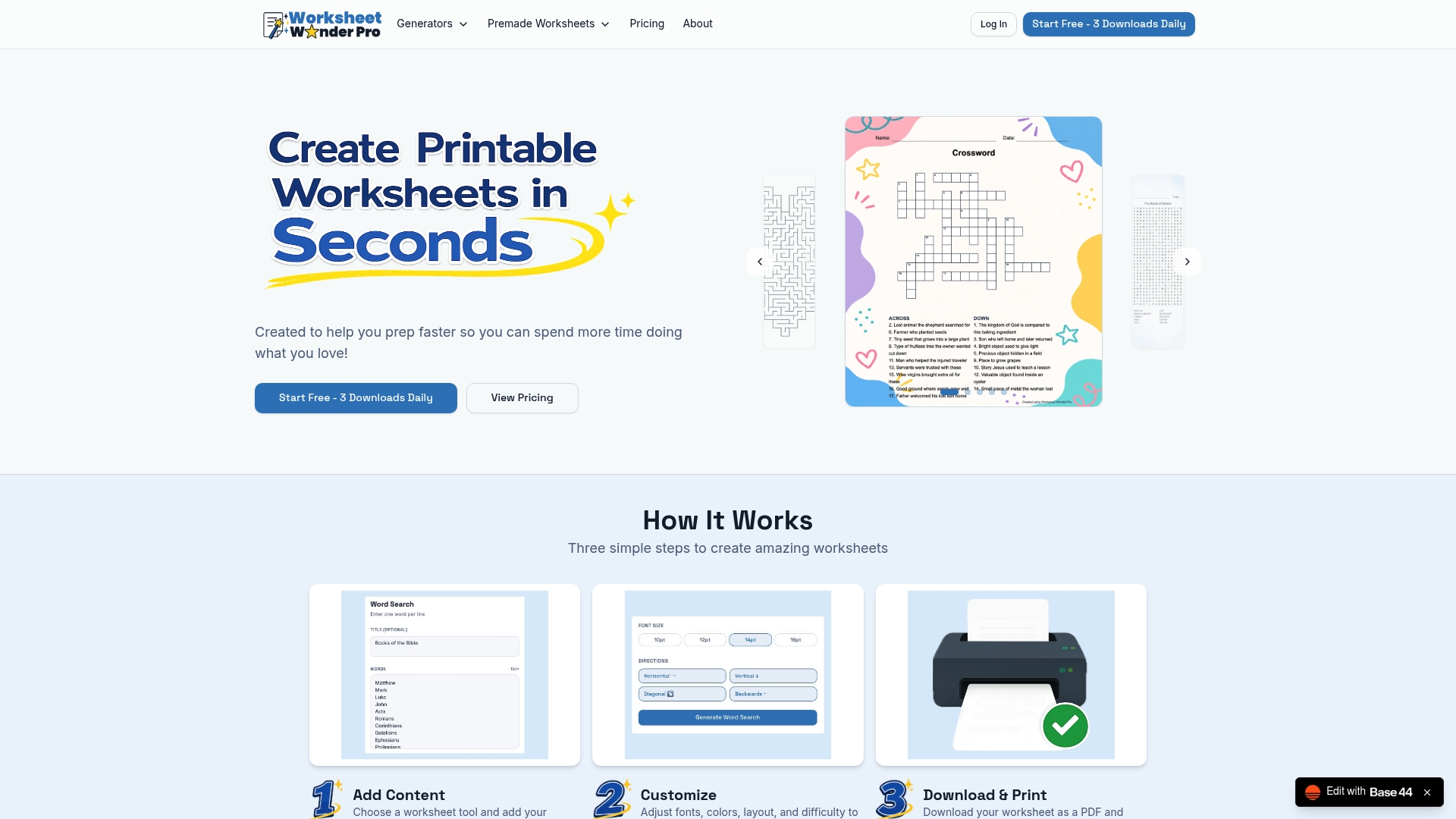
The platform offers a full library of premade worksheets covering math, language arts, phonics, and more. Each worksheet is designed with clear skill targets and consistent formatting. Teachers can also find structured support through the teacher resources section, which includes guides on worksheet design and implementation. For anyone ready to put these strategies into practice, Worksheetwonderpro is the direct starting point.
FAQ
What is a skill drill worksheet?
A skill drill worksheet is a structured practice tool that uses repetitive exercises to help students master a specific skill. It targets areas like math facts, vocabulary, phonics, and grammar through consistent, focused repetition.
How is a skill drill different from regular homework?
Skill drills target one isolated skill through repeated practice. Regular homework often covers new material or multiple skills. Drills are designed to build automatic fluency, not introduce concepts.
What is a skill tracker worksheet?
A skill tracker worksheet records student performance on drills over time. It shows which skills have been mastered and which need more practice, allowing teachers and parents to adapt worksheets to individual needs.
How long should a skill drill session be?
Research shows that targeted drill sessions of 20 to 30 minutes produce better focus and retention than longer sessions. Short and consistent practice beats infrequent marathon sessions.
Can skill drill worksheets reduce test anxiety?
Yes. Worksheets that align with classroom assessments help students recognize familiar formats during tests, which lowers cognitive load and reduces anxiety through prior exposure.